

The Role of Environment in Gambling
The environment within a casino plays a pivotal role in shaping the experience of visitors. From the moment patrons enter, they are met with carefully curated lighting, sounds, and scents that are specifically designed to evoke certain feelings and behaviors. For instance, the use of dim lighting creates an intimate atmosphere that encourages players to lose track of time, while upbeat music can heighten excitement and encourage continued play. This sensory stimulation maximizes engagement, making visitors more susceptible to the allure of gaming, especially when they explore online pokies that add to the thrill of the experience. The ambiance is a carefully orchestrated symphony that, when executed well, can seamlessly draw individuals into a world designed for immersion and thrill.
The layout of a casino is also instrumental in guiding player movement and behavior. Casinos are often designed in a labyrinth-like fashion, encouraging exploration and discovery. By strategically placing gaming machines and tables, visitors are less likely to leave, as they experience a continuous flow of new options and excitement around every corner. This design technique can lead to longer play sessions, as players are drawn deeper into the casino’s environment without consciously realizing it. The strategic placement of slot machines next to high-traffic areas, such as entrances or popular amenities, further ensures that the flow remains uninterrupted, captivating players and enhancing their overall experience.
Furthermore, the presence of amenities such as bars and restaurants creates a social space that adds to the overall experience. These areas are often situated within or adjacent to gaming zones, providing a seamless transition between playing and socializing. This aspect of design not only caters to individual preferences but also fosters a communal environment where patrons can enjoy shared experiences, thereby prolonging their stay and increasing their likelihood to gamble. Additionally, the scent of freshly prepared food or the sound of clinking glasses can further enhance the sensory environment, making patrons feel more relaxed and inclined to engage in gaming activities.
Color Psychology and Branding
Colors play a crucial role in casino design, tapping into the psychological responses they elicit from individuals. For instance, red is often used in casino interiors, as it is associated with excitement and energy. This color can stimulate appetite and increase heart rate, which may encourage players to engage more vigorously with the games. Additionally, gold and green are popular choices, as they evoke feelings of wealth and opportunity, enhancing the overall aesthetic and emotional appeal of the casino. The strategic use of these colors can create an inviting atmosphere that not only attracts visitors but also keeps them engaged in the gaming experience.
The strategic use of colors extends to branding as well. Casino brands often establish their identity through consistent color schemes that resonate with their target audience. An enticing color palette can create an emotional connection, making the brand more memorable. By carefully selecting colors that align with the desired image of the casino—whether it’s luxury, excitement, or nostalgia—operators can effectively create a unique market presence that appeals to a specific demographic of gamblers. The right colors can evoke a feeling of trust and comfort, encouraging new visitors to explore further and return for future visits.

Moreover, the interplay of colors with lighting can enhance the overall ambiance, further influencing player behavior. Different lighting intensities can change the way colors are perceived, making them seem either more vibrant or subdued. By adjusting these elements, casinos can create various atmospheres throughout different sections, thus catering to diverse preferences and promoting varied gaming experiences that resonate on a psychological level. This degree of control allows casinos to manipulate the emotional state of their patrons, ultimately aiming to prolong their stay and enhance their gaming enjoyment.
The Impact of Game Design
The design of individual games holds significant psychological importance, directly affecting player engagement and satisfaction. Game developers utilize a variety of mechanisms to keep players invested, including themes, graphics, and sound effects. For example, slot machines often incorporate popular culture references or immersive storytelling elements to create a compelling experience. These features can spark curiosity and foster a sense of connection, drawing players into the narrative and motivating them to continue playing. This emotional engagement is crucial, as it transforms a simple game into an experience that players can relate to on a personal level.
Furthermore, the structure of games, including the odds and potential payouts, is carefully calibrated to optimize player engagement. Casinos often employ near-miss scenarios—where players come close to winning but fall short—as a means to sustain interest. This psychological trick can encourage players to persist, as it creates a sense of hope and the belief that a win is just around the corner. Such strategies are effective in tapping into psychological motivations, reinforcing the desire to play 'just one more round.' This cycle of anticipation and reward is fundamental to maintaining player interest and satisfaction.
In addition to visual and auditory elements, the tactile feedback provided by games also contributes to the overall experience. The physical sensations associated with pulling a lever or pressing a button can enhance excitement and satisfaction. This kinesthetic engagement forms a deeper connection to the game, as players are not merely spectators but active participants. By combining these various design aspects, casinos can create games that captivate and retain player interest, leading to increased revenue and longer play sessions. Ultimately, the multifaceted approach to game design reflects a comprehensive understanding of player psychology and the factors that encourage continued engagement.
User Experience and Navigation
The user experience within a casino is meticulously crafted to ensure that patrons can navigate the space with ease and comfort. The floor layout, signage, and access to facilities are all designed to create a seamless flow that encourages exploration. Clear signage helps guide new visitors, while the absence of windows and clocks contributes to a disorienting effect that minimizes awareness of time. This strategic design element can encourage players to engage for longer periods without the distraction of external realities. Such a carefully constructed environment fosters a sense of escapism that many patrons seek when visiting a casino.
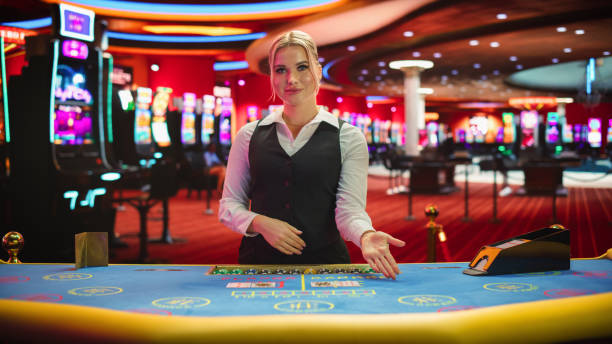
Moreover, the concept of "win-win" situations is often incorporated into the overall design philosophy. For instance, free drinks and entertainment can enhance the experience and promote a sense of indulgence. By providing these services, casinos create an environment where players feel valued and rewarded, which can lead to increased playtime and spending. This psychological boost reinforces positive associations with the casino and encourages repeat visits. Such elements not only enhance the customer's experience but also strategically align with the casino's financial goals.
Finally, casinos also prioritize comfort to enhance user experience. Comfortable seating, spacious walkways, and appealing décor contribute to a welcoming atmosphere that encourages patrons to stay longer. These factors are part of a broader strategy to create a “home away from home” feel, where visitors can relax and enjoy themselves. Given the stakes involved, optimizing the user experience is critical to fostering an environment where players are eager to return, enhancing long-term profitability. This approach underlines the importance of creating a balanced atmosphere that caters to both enjoyment and financial success.
Building a Community and Loyalty
The design of a casino extends beyond physical spaces; it also encompasses building a vibrant community where players feel a sense of belonging. Many casinos foster loyalty through rewards programs and social events that cater to their clientele. These programs can incentivize players to return regularly, as they are offered perks based on their gaming activity. This form of engagement not only benefits the casino financially but also cultivates a loyal player base that associates the establishment with enjoyable experiences. The psychological aspect of feeling valued through rewards plays a significant role in enhancing customer retention.
In addition, casinos often host tournaments and special events that bring players together, encouraging competition and camaraderie. These gatherings create an opportunity for social interaction, allowing patrons to bond over shared interests while engaging in gaming activities. Such communal experiences can deepen emotional connections to the casino, thereby enhancing customer loyalty and retention. As players share their successes and experiences, they form a network of relationships that can be integral to their ongoing engagement with the casino.
Furthermore, the role of community extends into online platforms as well, where casinos can create virtual spaces for players to interact. Engaging with customers through social media and online forums allows casinos to maintain relationships and keep the conversation going. By integrating online and offline experiences, casinos can extend their community reach beyond physical boundaries, ensuring players remain connected to their favorite gaming environment. This dual approach not only enhances player engagement but also strengthens brand loyalty, paving the way for sustained success.